


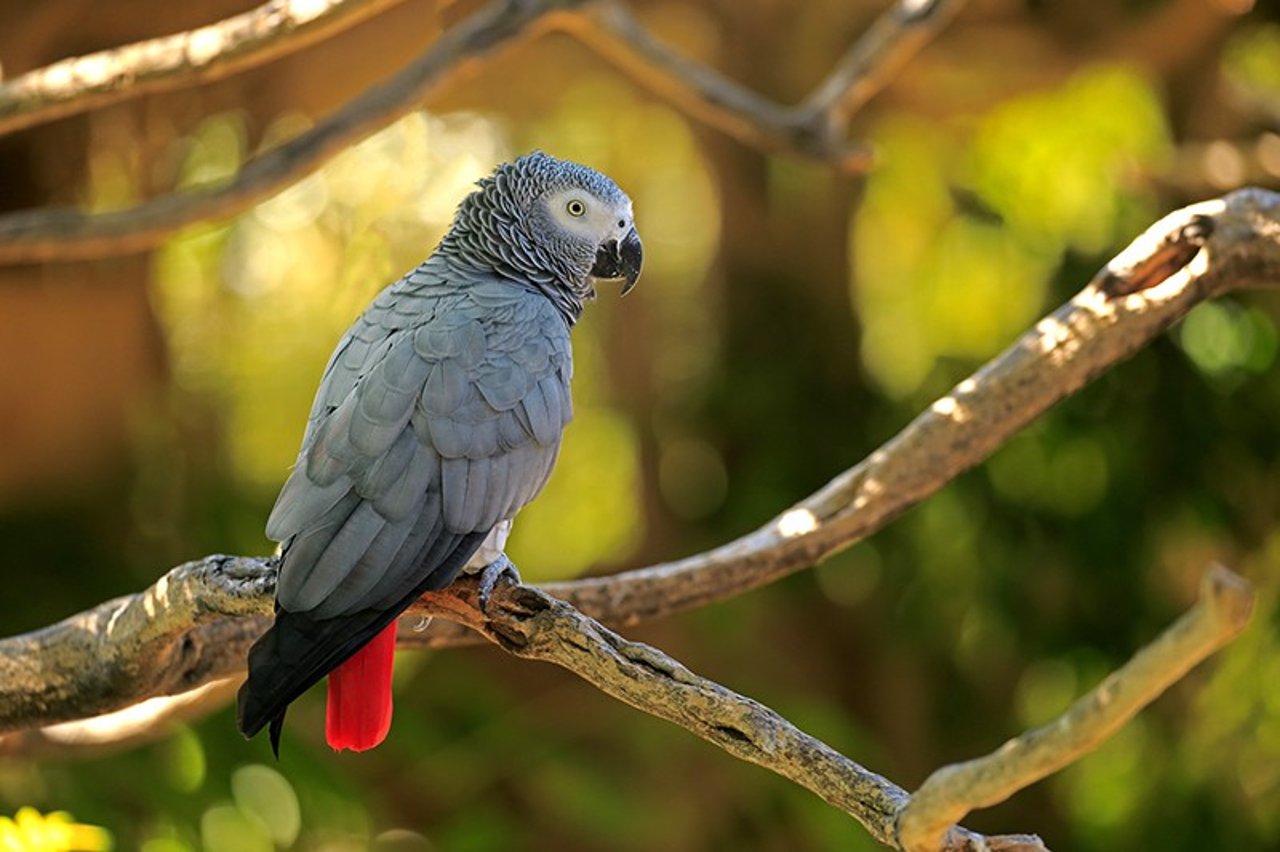
African Grey parrots are widely regarded as one of the most intelligent and fascinating companion birds in the world. Known for their exceptional talking ability, emotional depth, and long lifespan, they attract bird enthusiasts globally. However, owning an African Grey is a serious commitment that requires knowledge, time, and dedication.
This guide answers the most common questions prospective owners ask before bringing an African Grey parrot home.
Are African Grey Parrots Good Pets?
African Grey parrots can be excellent pets, but they are not suitable for everyone.
They thrive in homes where they receive:
- Daily interaction and mental stimulation
- A consistent routine
- Patient, attentive caregivers
African Greys form deep emotional bonds with their owners and often see themselves as part of the family. However, because of their intelligence and sensitivity, they can become stressed or develop behavioral problems if neglected. They are best suited for experienced bird owners or highly committed first-time owners willing to learn.
Best for:
✔ Experienced bird keepers
✔ People who are home often
✔ Owners seeking a long-term companion
Not ideal for:
✘ Busy households with little interaction
✘ Owners looking for a low-maintenance pet
Are African Grey Parrots Endangered?
Yes, African Grey parrots are endangered in the wild.
Due to habitat loss and illegal wildlife trade, wild populations have declined dramatically. As a result:
- African Greys are protected under international conservation laws
- Ethical sourcing and captive breeding are essential
- Responsible ownership plays a role in conservation
Reputable breeders focus on captive-bred parrots, which helps reduce pressure on wild populations. When acquiring an African Grey, always ensure the bird comes from a legal and ethical source.
Are African Grey Parrots Smart?
African Grey parrots are considered one of the smartest birds on the planet.
Scientific studies and real-world observations show that they can:
- Learn hundreds of words
- Understand context, not just mimic sounds
- Solve puzzles and recognize shapes, colors, and numbers
- Display emotional intelligence and problem-solving skills
Their intelligence rivals that of young children, which is why enrichment, training, and interaction are essential for their wellbeing.
How to Care for African Grey Parrots
Proper care is crucial to keep African Grey parrots healthy and mentally fulfilled.
Housing
- Large, spacious cage with room to climb and stretch wings
- Safe perches, toys, and puzzle feeders
- Daily out-of-cage time for exercise
Diet
- High-quality parrot pellets as a staple
- Fresh fruits and vegetables daily
- Limited seeds and nuts as treats
- Fresh water changed daily
Mental Stimulation
- Rotate toys frequently
- Training sessions and interactive play
- Social interaction with owners
Health Care
- Regular avian veterinarian checkups
- Clean living environment
- Monitoring for stress behaviors like feather plucking
African Greys can live 40–60 years or more, so care should be planned long-term.
Can African Grey Parrots Talk?
Yes — African Grey parrots are among the best talking birds in the world.
They are famous for:
- Clear pronunciation
- Large vocabularies
- Ability to mimic voices, sounds, and household noises
- Using words in context, not just repetition
While not every African Grey will talk at the same level, most learn at least some words with regular interaction and encouragement.
Final Thoughts
African Grey parrots are extraordinary companions that offer intelligence, communication, and emotional connection unmatched by most pets. However, their complexity means they require time, patience, and lifelong commitment.
For the right owner, an African Grey is not just a pet — it is a lifelong companion with personality, intelligence, and heart.