


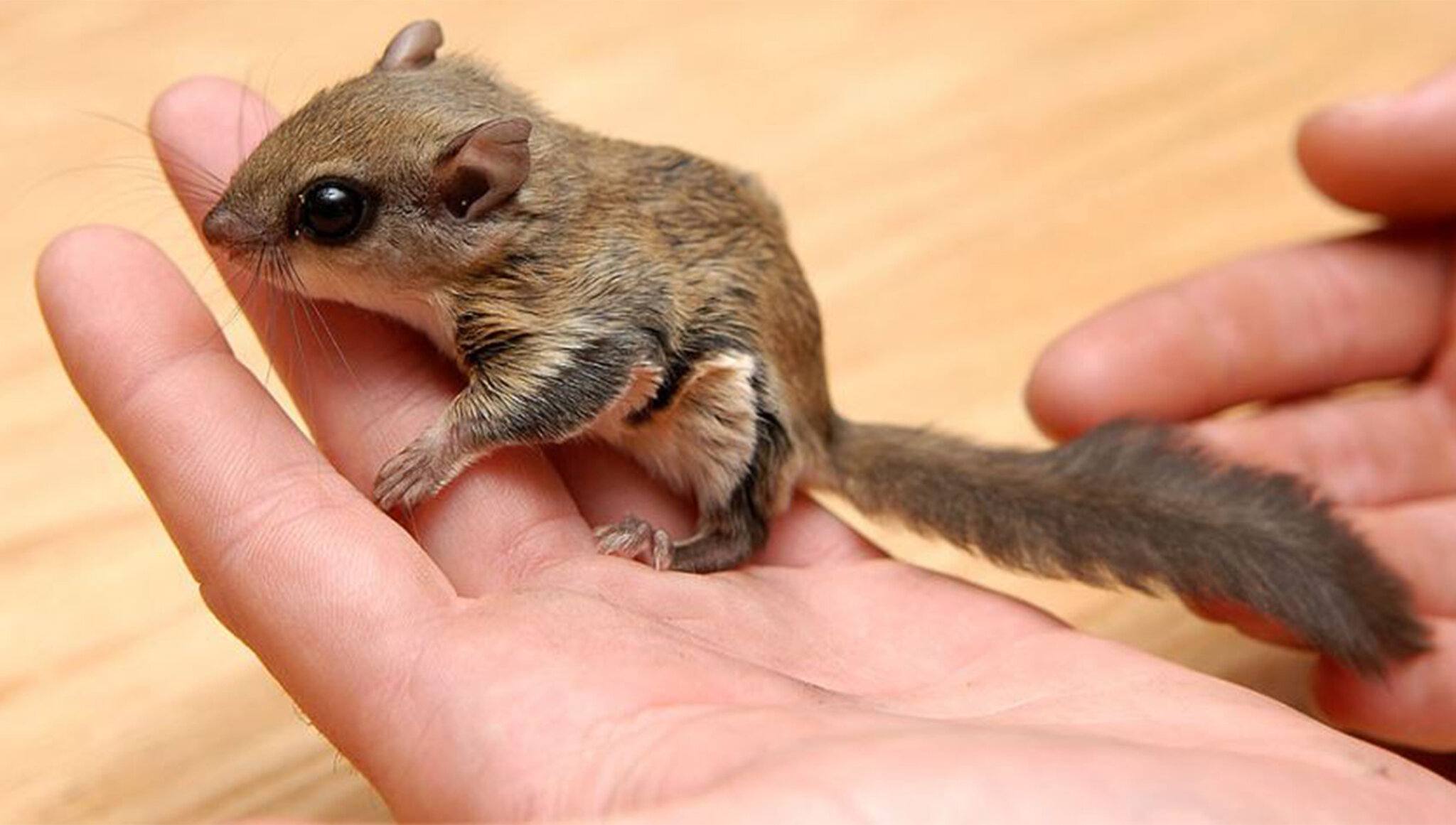
Flying squirrels are among the most fascinating exotic pets available today. Known for their ability to glide gracefully through the air and their affectionate personalities, these small nocturnal mammals attract pet lovers looking for something unique. However, keeping flying squirrels as pets requires dedication, proper housing, and specialized knowledge.
In this complete guide, we’ll explore everything you need to know about pet flying squirrels — including their behavior, diet, housing needs, lifespan, and whether they make good pets.
What Are Flying Squirrels?
Flying squirrels are small rodents known for their gliding ability. Unlike birds or bats, they don’t truly fly — instead, they glide using a special membrane of skin called a patagium, which stretches between their front and back legs.
Physical Characteristics of Flying Squirrels
Pet flying squirrels typically have:
- Large, round eyes adapted for night vision
- Soft, dense fur
- A long, fluffy tail for steering
- A skin membrane used for gliding
- Small rounded ears
- Lightweight bodies built for climbing
These unique features allow flying squirrels to glide between trees in the wild, sometimes covering impressive distances.
Are Flying Squirrels Good Pets?
Many exotic pet enthusiasts consider flying squirrels friendly and engaging companions. However, they are not suitable for every household.
Advantages of Flying Squirrels as Pets
Flying squirrels can make wonderful pets when properly cared for.
Benefits include:
- Highly social and interactive
- Capable of bonding closely with owners
- Intelligent and curious animals
- Fascinating gliding behavior
- Often enjoy being carried in pockets or pouches
- Can become affectionate with consistent handling
Young flying squirrels raised by humans are typically easier to tame and bond more strongly with their owners.
Challenges of Keeping Flying Squirrels
Despite their charm, flying squirrels require significant care and commitment.
Common challenges include:
- Nocturnal activity (active at night)
- Need for daily interaction
- Specialized housing requirements
- Tendency to chew household items
- Difficulty with litter training
- Require experienced exotic pet care
Because of these challenges, flying squirrels are generally recommended for experienced pet owners rather than beginners.
Behavior and Personality of Pet Flying Squirrels
Understanding behavior is essential before choosing a flying squirrel as a pet.
Nocturnal Lifestyle
Flying squirrels are nocturnal animals, meaning they:
- Sleep during the day
- Become active at night
- Play, glide, and explore after sunset
Owners must be comfortable with nighttime activity and noise.
Social Nature
Flying squirrels are highly social animals.
They often:
- Form strong bonds with owners
- Prefer companionship
- Enjoy interaction and handling
- Become stressed if neglected
Many owners report that their flying squirrels enjoy sitting in shirt pockets or bonding pouches during the day.
What Do Flying Squirrels Eat?
Flying squirrels are omnivores, meaning they eat both plant and animal foods.
A balanced diet is essential for their health and longevity.
Natural Diet of Flying Squirrels
In the wild, flying squirrels commonly eat:
- Nuts
- Seeds
- Fruits
- Mushrooms
- Insects
- Eggs
- Tree sap
- Plant materials
Their diet varies depending on season and environment.
Diet for Pet Flying Squirrels
Pet flying squirrels should receive a varied diet that includes:
- High-quality squirrel pellets
- Fresh fruits (such as apples and berries)
- Vegetables (like carrots and leafy greens)
- Nuts and seeds
- Mealworms or small insects
- Occasional protein sources
Calcium supplementation is often recommended to prevent deficiencies and maintain bone health.
Fresh water should always be available.
Housing Requirements for Flying Squirrels
Proper housing is one of the most important aspects of caring for flying squirrels.
Because they are active climbers, they need plenty of vertical space.
Ideal Cage Setup
A suitable enclosure should include:
- A tall cage with multiple levels
- Nest boxes for sleeping
- Branches for climbing
- Toys for mental stimulation
- Safe bedding materials
- Water bottles and feeding dishes
Vertical height is more important than floor space because flying squirrels naturally climb and glide.
Exercise and Enrichment
Flying squirrels require:
- Daily supervised playtime
- Climbing opportunities
- Toys to prevent boredom
- Space to glide safely
Without enough activity, they may develop stress or behavioral issues.
How Long Do Flying Squirrels Live?
Flying squirrel lifespan depends on environment and care quality.
Average Lifespan
Typical lifespans include:
- Wild: 3–6 years
- Captivity: 10–12 years or longer
Captive squirrels usually live longer due to:
- Consistent nutrition
- Protection from predators
- Veterinary care
- Controlled environments
Proper care significantly increases lifespan.
Health and Veterinary Care
Flying squirrels require regular health monitoring.
Because they are exotic pets, finding a qualified veterinarian is important.
Common Health Concerns
Potential health issues include:
- Calcium deficiency
- Parasites
- Dental problems
- Injuries from falls
- Obesity from poor diet
Routine veterinary visits help prevent serious problems.
Legal Considerations Before Buying a Flying Squirrel
Before purchasing a flying squirrel, check local regulations.
In some regions:
- Flying squirrel ownership may be restricted
- Permits may be required
- Wild capture may be illegal
Always verify local laws before acquiring an exotic pet.
Responsible ownership includes ensuring animals are sourced legally and ethically.
Cost of Keeping Flying Squirrels as Pets
Owning a flying squirrel involves ongoing expenses.
Typical Costs Include:
- Initial purchase price
- Large cage setup
- Food and supplements
- Toys and enrichment
- Veterinary care
- Cleaning supplies
These costs can add up over time, so financial planning is recommended.
Tips for First-Time Flying Squirrel Owners
If you’re considering keeping flying squirrels as pets, preparation is key.
Beginner Tips
Helpful advice includes:
- Choose captive-bred animals when possible
- Handle regularly to build trust
- Provide enrichment daily
- Maintain a balanced diet
- Keep cages clean
- Schedule veterinary checkups
Patience and consistency help build strong bonds.
Are Flying Squirrels the Right Pet for You?
Flying squirrels are charming, intelligent animals — but they require specialized care and commitment.
They are best suited for:
- Experienced exotic pet owners
- People with flexible schedules
- Owners willing to provide daily interaction
- Individuals prepared for long-term care
They may not be suitable for:
- Households seeking low-maintenance pets
- People sensitive to nighttime noise
- Owners without exotic pet experience
Careful planning ensures both owner and pet thrive.
Final Thoughts on Flying Squirrels as Pets
Flying squirrels are unique and engaging animals that can form strong bonds with dedicated owners. However, their nocturnal nature, specialized housing needs, and dietary requirements make them more challenging than traditional pets.
Understanding their behavior, diet, and care requirements is essential before bringing one home. With the right preparation and responsible ownership, flying squirrels can become fascinating and rewarding companions.