


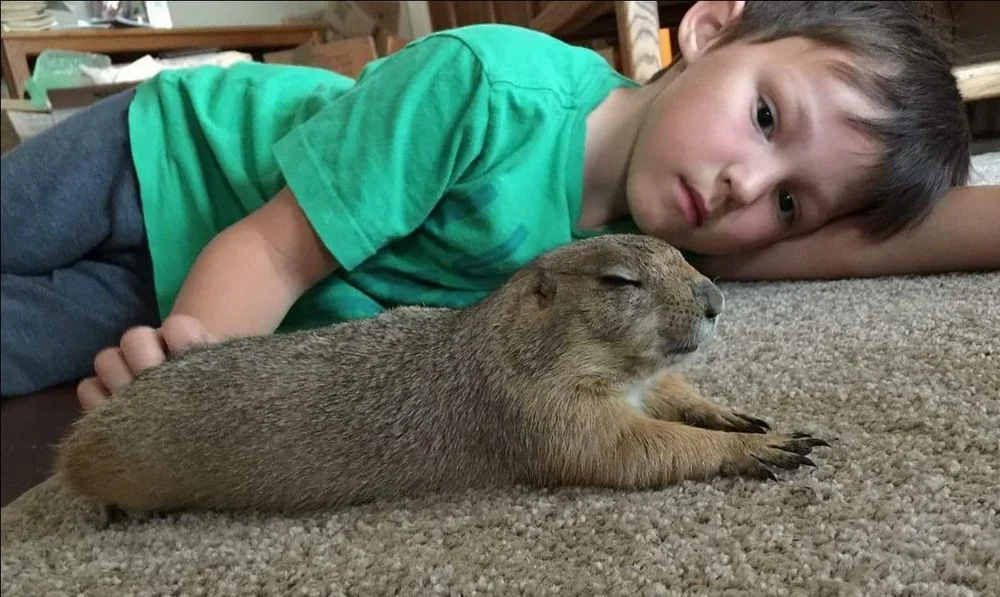
Prairie dogs are small, highly social rodents native to the grasslands of North America. Known for their distinctive bark-like calls and complex underground burrow systems, these animals belong to the squirrel family (Sciuridae) and the genus Cynomys. In the wild, prairie dogs live in large colonies and play a vital role in prairie ecosystems.
Because of their intelligence and social behavior, some people are interested in keeping prairie dogs as exotic pets. However, caring for one requires careful consideration, specialized knowledge, and a suitable environment.
This guide explains everything you need to know about pet prairie dogs, including their diet, lifespan, temperament, and conservation status.
Are Prairie Dogs Good Pets?
Prairie dogs can be fascinating companions, but they are not ideal pets for everyone.
These animals are highly intelligent and social, which means they need a great deal of interaction and mental stimulation. In the wild, prairie dogs live in colonies consisting of family groups called coteries. Because of this social nature, pet prairie dogs can become lonely or stressed if left alone for long periods.
Advantages of Prairie Dogs as Pets
- Intelligent and curious animals
- Capable of forming strong bonds with owners
- Playful and active during the day
- Unique personalities and behaviors
Challenges of Keeping Prairie Dogs
- Require large enclosures and space to dig
- Need daily interaction and attention
- Can become territorial during breeding season
- May be illegal or regulated in some regions
For experienced exotic pet owners who understand their needs, prairie dogs can be rewarding pets. However, they are much more demanding than common rodents like hamsters or guinea pigs.
Are Prairie Dogs Friendly?
Prairie dogs are known for their social and communicative personalities. When raised and handled properly, they can become friendly and affectionate toward their owners.
Young prairie dogs raised in captivity often:
- recognize their caregivers
- enjoy interaction and play
- show curiosity and exploration behavior
However, their temperament can vary depending on age, socialization, and breeding cycles. Adult prairie dogs may sometimes display territorial behavior, particularly during the mating season.
With proper training, patience, and gentle handling, many prairie dogs develop strong bonds with their owners.
What Do Prairie Dogs Eat?
In the wild, prairie dogs are primarily herbivores that feed on a variety of plant materials found in grassland ecosystems.
Natural Prairie Dog Diet
Prairie dogs typically eat:
- grasses
- seeds
- roots
- leaves
- flowering plants
Occasionally they may consume small insects.
Diet for Pet Prairie Dogs
A healthy diet for a pet prairie dog should include:
- high-quality grass hay
- fresh vegetables
- leafy greens
- limited fruits
- specially formulated rodent pellets
Avoid feeding processed foods or sugary treats. Proper nutrition helps prevent obesity and supports healthy digestion.
Fresh water should always be available.
How Long Do Prairie Dogs Live?
The lifespan of prairie dogs depends on their environment and care.
Average Lifespan
- Wild prairie dogs: about 3–5 years
- Captive prairie dogs: up to 8–10 years with proper care
In captivity, prairie dogs benefit from consistent food sources, veterinary care, and protection from predators, which can significantly extend their lifespan.
Providing a balanced diet, enrichment activities, and regular veterinary checkups can help your pet prairie dog live a longer and healthier life.
Are Prairie Dogs Endangered?
Prairie dogs are not globally extinct, but some species face significant conservation challenges.
There are five recognized species of prairie dogs:
- Black-tailed prairie dog
- White-tailed prairie dog
- Gunnison’s prairie dog
- Utah prairie dog
- Mexican prairie dog
Certain species, such as the Utah prairie dog, are considered threatened due to habitat loss and disease.
Threats to Prairie Dog Populations
Prairie dogs have experienced major population declines due to:
- habitat destruction from agriculture and development
- poisoning and eradication campaigns
- disease such as sylvatic plague
Because prairie dogs are a keystone species, their decline can negatively affect entire grassland ecosystems. Many conservation organizations now work to protect prairie dog habitats.
Prairie Dogs and Their Role in Nature
Prairie dogs are extremely important for prairie ecosystems.
Their burrows provide shelter for animals such as:
- burrowing owls
- snakes
- rabbits
- the endangered black-footed ferret
Their digging also improves soil aeration and supports plant diversity, helping maintain healthy grassland environments.
Final Thoughts
Prairie dogs are intelligent, social animals with fascinating behaviors. While they can become friendly companions when properly socialized, they require significant time, attention, and specialized care.
Before considering a prairie dog as a pet, it is essential to research legal regulations and ensure you can provide the appropriate environment and long-term commitment.
For dedicated exotic pet enthusiasts, prairie dogs can be unique and rewarding companions.