


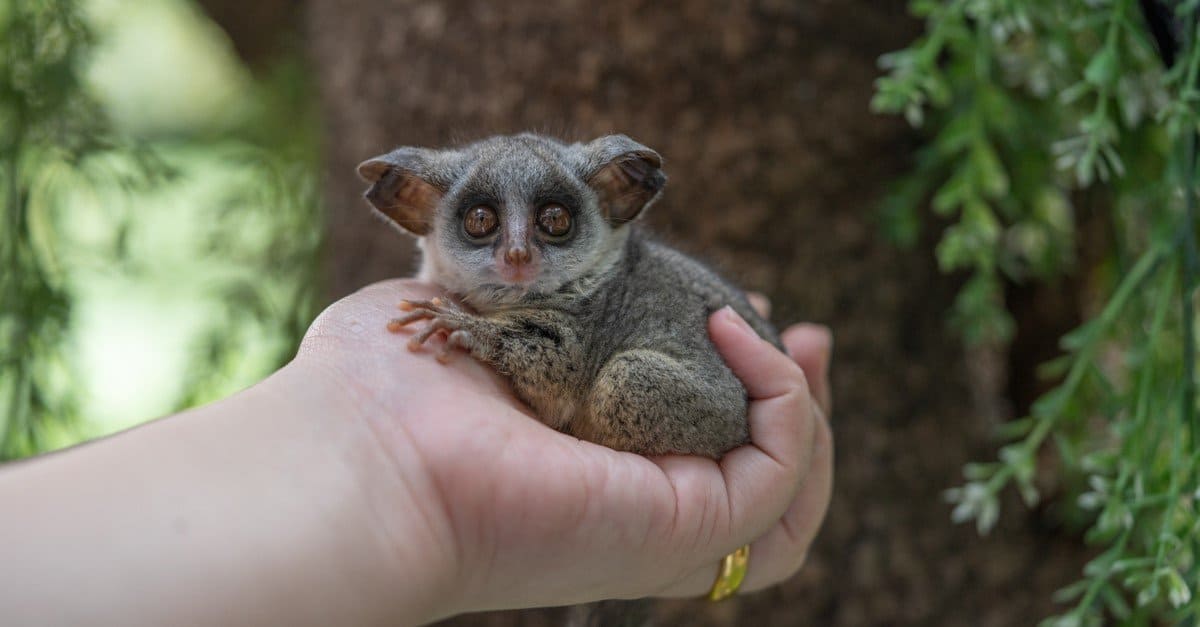
The primates commonly known as galagos or “bush-babies” belong to a fascinating group of small, nocturnal strepsirrhine primates native to sub-Saharan Africa. While the taxonomy is still undergoing refinement, here’s what current research shows.
- The genus Galago (the “lesser galagos”) contains at least four well-recognized species: the Senegal galago, Mohol galago, dusky galago, and Somali galago.
- Beyond that genus, many related genera (such as Galagoides, Otolemur, and Euoticus) include many more species and subspecies, bringing the total number of galago-type primates to 20 or more known species across Africa.
- Taxonomic revisions continue: new species are still being described and molecular studies are refining relationships. This means the exact number may change.
In short, if you include all related genera, you’re looking at 20+ distinct galago species. If you restrict to the genus Galago alone, the figure is lower (~4–8), but the broader family context is larger.
Are Galagos Going Extinct?
For most galago species, the immediate risk of extinction is moderate to low, but there are important conservation nuances to understand.
- Many species are currently listed as “Least Concern” on the IUCN Red List, indicating stable populations and reasonably wide distributions.
- However, several localized or forest-endemic species—especially those with restricted ranges—face higher threats due to habitat loss, forest fragmentation, and human encroachment.
- Because galagos rely on tree hollows, forest canopy connectivity, and insect/gum food sources, deforestation and land conversion pose real risks.
- That said, at present there is no sweeping extinction crisis for galagos as a whole. Their nocturnal, arboreal lifestyle and adaptability to multiple habitats (savanna, scrub, forest) give them a resilience that many larger primate species lack.
So: While extinction is not imminent for most galago species, ongoing conservation vigilance is essential—especially for species with restricted ranges or specific habitat dependencies.
Are Galagos Poisonous to Humans?
The short answer: No, galagos are not poisonous to humans. Here’s a more detailed look:
- Galagos do not possess venom glands or toxin-delivery systems (such as fangs or stingers) that would make them intrinsically poisonous.
- Their diet typically consists of insects, tree gum/exudate, and fruit—none of these involve a toxic bite or sting to humans.
- They have sharp teeth and claws (as arboreal primates do), but these are used for climbing, feeding and self-defence—not for venomous attack.
- While any wild animal can bite or scratch if stressed, a galago’s bite is not chemically dangerous—it may cause injury, but not poisoning.
Therefore: If you encounter a galago, you can generally be confident it is not a venomous threat—though standard caution around wild or exotic animals always applies.
Are Galagos Dangerous?
Galagos are small, typically non-aggressive primates—but that doesn’t mean they’re completely risk-free. Understanding their behaviour, needs and potential hazards is key.
Reasons why galagos are generally safe
- Small size: Many lesser galagos weigh between ~95 to 300 grams, body length ~9-20 cm plus tail.
- No inherent venom or large predatory capacity: Their diet focuses on insects, gum and fruit—not large prey.
- Mostly nocturnal and arboreal: Their activity is at night and they often stay in tree hollows or dense vegetation, making human encounters rare.
Reasons for caution
- Wild instincts: Being true wild primates, galagos have strongly developed leaping, climbing and bite reflexes.
- Husbandry complexity: In a captive or exotic-pet context, their must-met needs (specialised diet, lighting, temperature, vertical space, social needs) are often overlooked—leading to stress, aggression or health issues.
- Bite risk: While small, a startled or mishandled galago could scratch or bite, potentially transmitting bacteria or rabies (depending on region and quarantine).
- Legal/regulatory issues: Owning a galago may be subject to exotic-pet regulations or bans in many jurisdictions; improper ownership may lead to legal repercussions.
Conclusion
In general, galagos are not inherently dangerous to humans, but they are not simple pets either. Their wild nature and specialised care needs mean that they require experienced, responsible exotic-animal keepers. If kept improperly, risks increase—both for the animal’s welfare and the keeper’s safety.